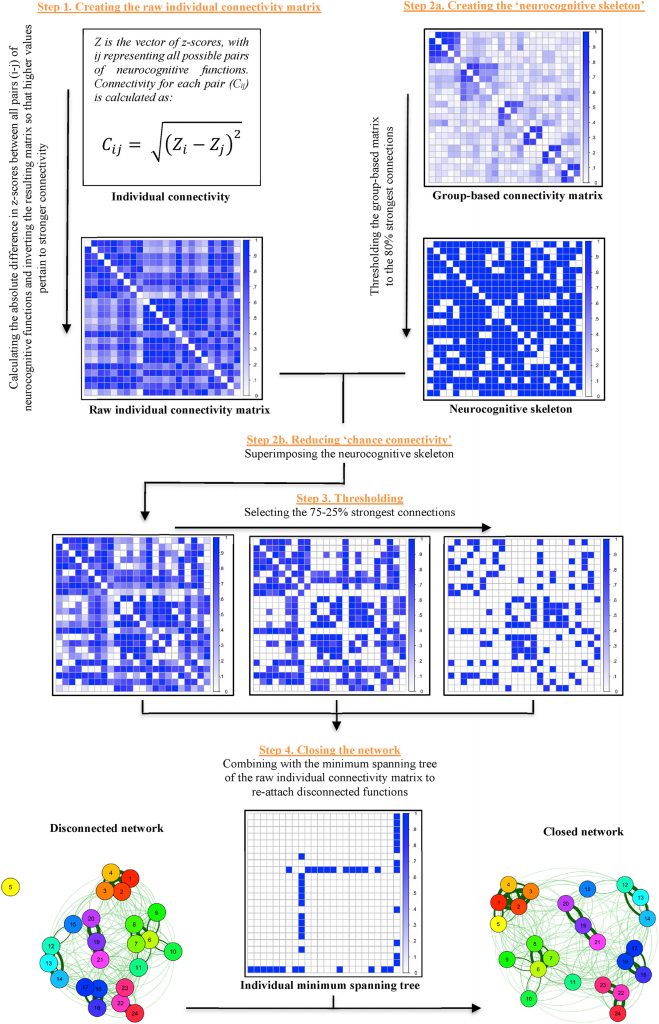
We apply neurocognitive testing in essentially every project, and developed structured methodology for this purpose. The Emma Toolbox for Neurocognitive Functioning assesses information processing, attention control, memory (verbal and visual), working memory (verbal and visual) and visutomotor integration. We make use of advanced computational models to extract clinically relevant information from raw neurocognitve data.
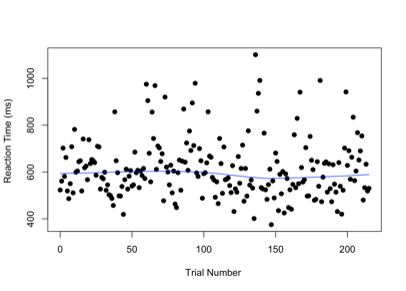
Information Processing
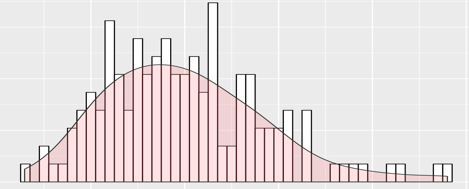
The Attention Network Test (adapted version) measures information processing speed, stabilitiy and consistency (i.e. lapses of attention).
Attention Control
The Attention Network Test is also used to measure alerting attention, orienting attention and interference control.
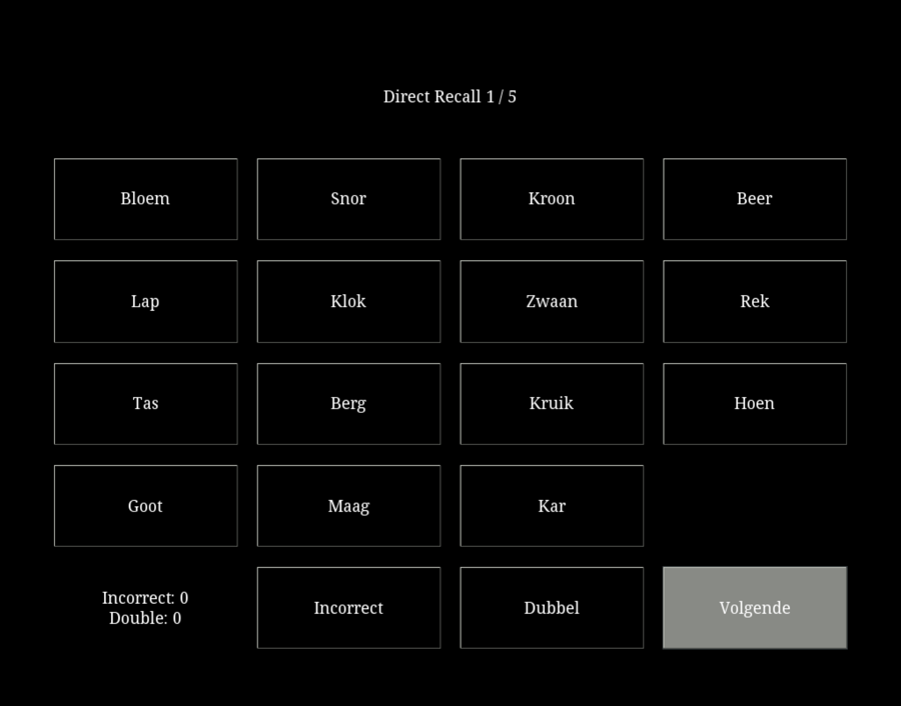
Verbal Memory
We use the Dutch version of the Rey Auditory Verbal Learning Test to assess encoding, consolidation and retrieval of verbal information in memory.
Visual Memory
An adapted version of the Location Learning Test assesses encoding, consolidation and retrieval of visual information in memory.


Verbal Working Memory
Wechsler’s Digit Span is measures the phonological loop and the central executive of verbal working memory.
Visual Working Memory
We use an adapted version of the Klingberg task to asses the visuospatial sketchpad and the central executive of visual working memory.


Visuomotor integration
We use an adapted version of the Track & Trace task to assess the accuracy of dynamic visuomotor integration and the efficiency of motor response inhibition.
Domain structure
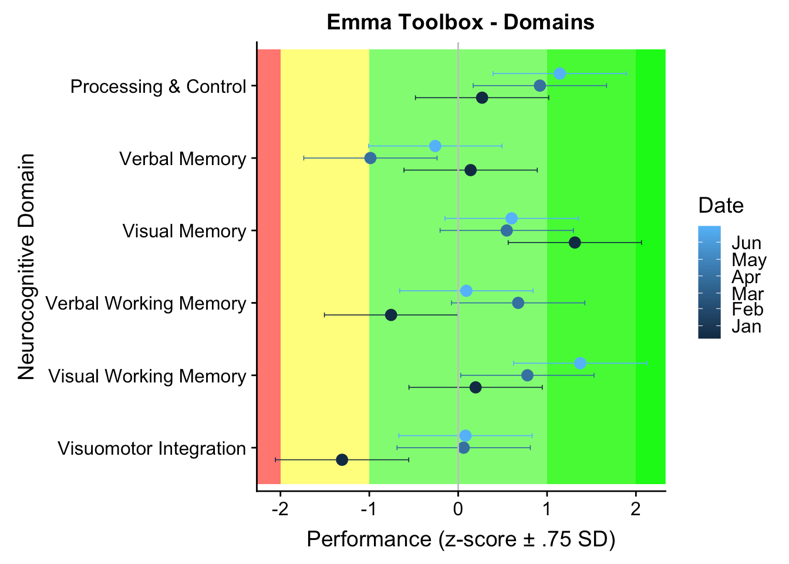
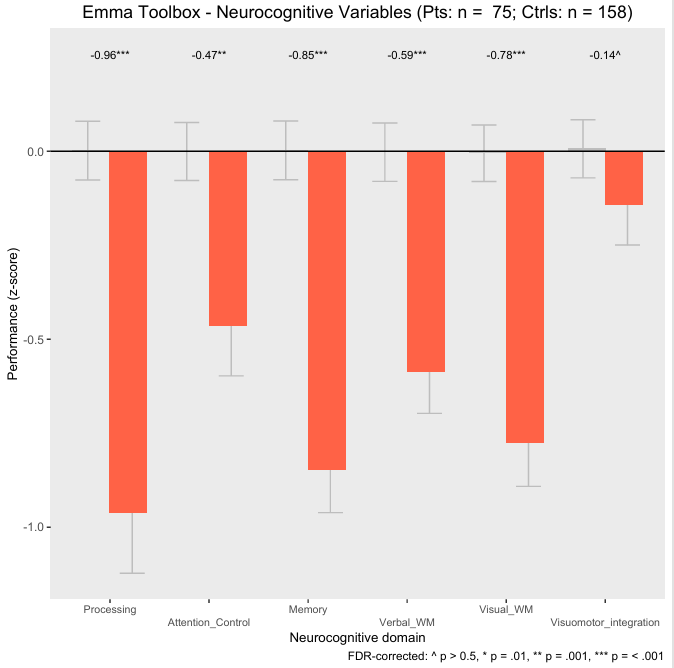
We have developed a neurocognitive domain structure across the life span for Emma Toolbox data using Principal Component Analysis. This structure is the starting point for the majortiy of analyses.
Processing pipeline
We developed a processing pipeline for automatic analysis of Emma Toolbox data, including calculation of neurocognitive domain scores, determination of age-adjusted z-scores, and comparison between clinical and control groups.
Neurocognitive network
The Emma Neuroscience Group is a pioneer in the reconstruction of the ‘neurocognome’ at the individual level. This analysis allows to determine neurocognitive network organization, to determine the impact of neuropathology and explore the relation to aspects of daily life functioning.